Our Core Services
Mindray Automated External Defibrillators (AED)
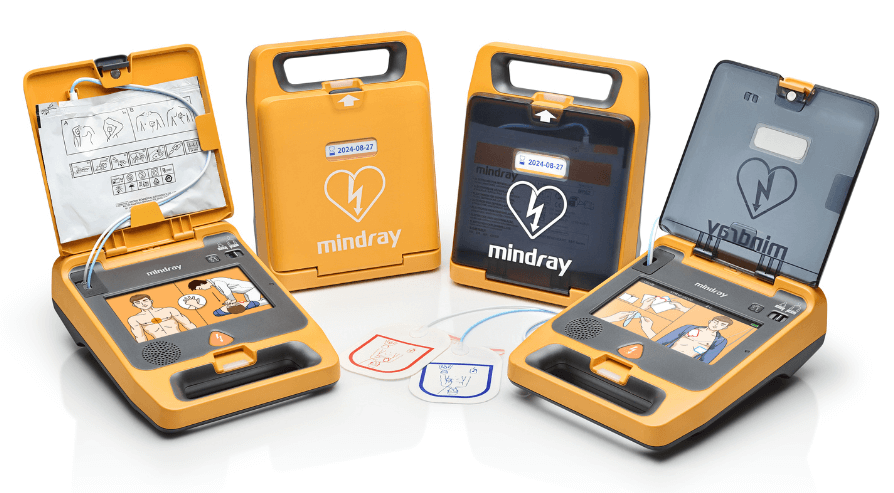
We offer state-of-the-art AED devices, essential for life-saving cardiac emergency responses. Our service includes device supply, training, and maintenance to ensure optimal performance and usability.
Ambulance Fabrication

We provide customized ambulance fabrication services, designing and equipping vehicles to meet medical and safety standards. Our solutions include advanced medical equipment integration and ergonomic layouts to ensure reliable performance in emergencies.
First Aid Room Setup
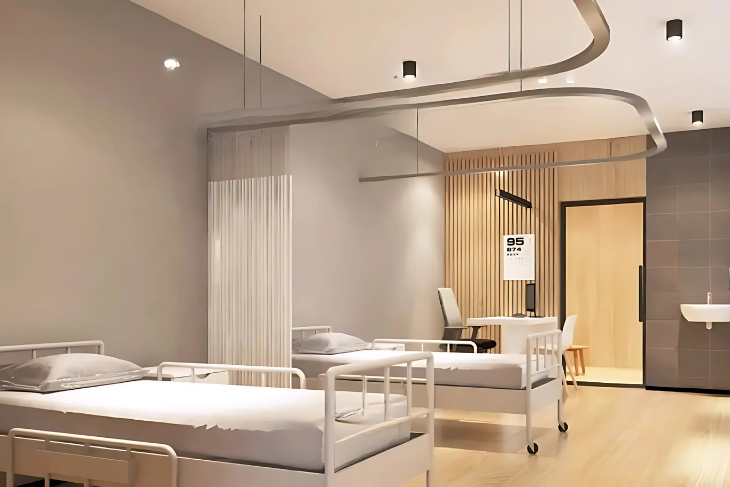
We design and set up fully equipped first aid rooms tailored to your organization's needs, ensuring compliance with occupational health and safety (OSH) regulations and providing a safe environment for immediate medical care.
First Aid Training
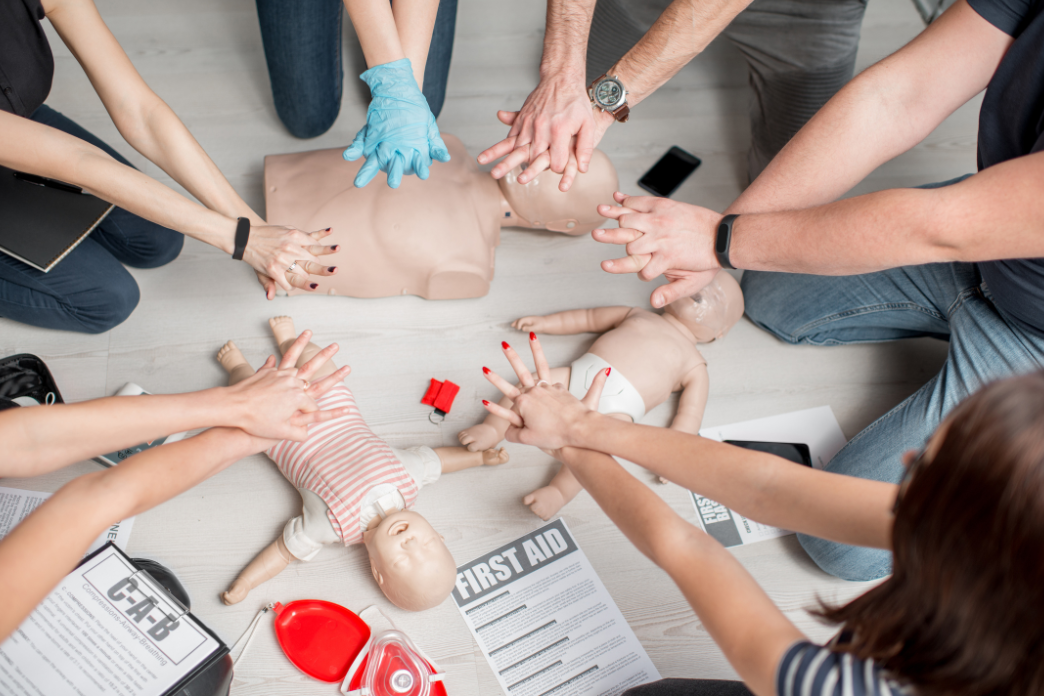
We offer comprehensive, HRDF claimable training programs designed to equip individuals and teams with essential life-saving skills. Our courses cover a range of emergency scenarios, ensuring participants are prepared to respond effectively and confidently.
OSH-Compliant First Aid Products
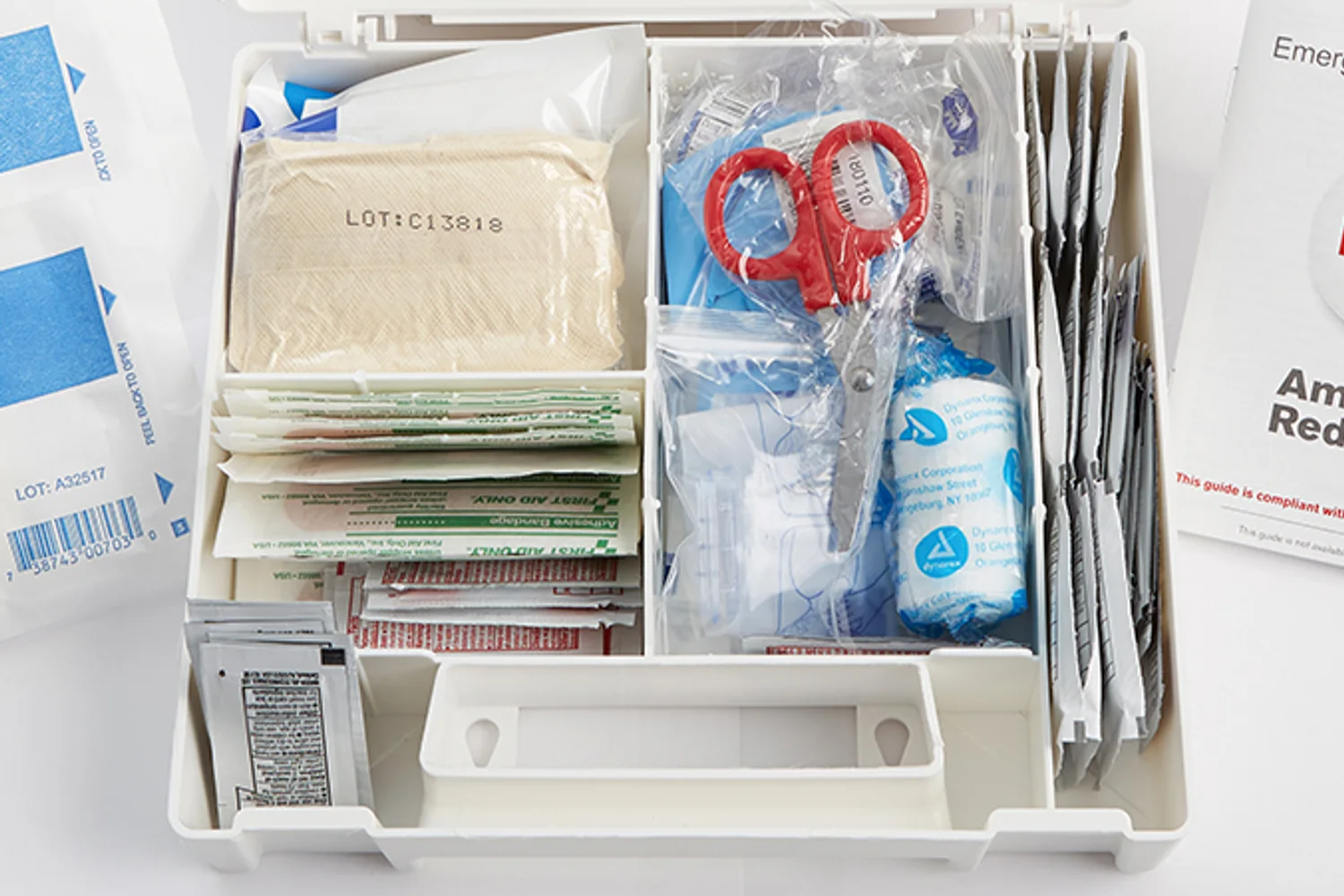
We supply a wide range of first aid products, all designed to comply with OSH requirements. From bandages to emergency kits, our products ensure readiness for various workplace or on-site emergencies.
FAQ
While AEDs are not yet mandatory in all public places in Malaysia, their adoption is growing in workplaces, schools, airports, and sports centers to improve survival rates for cardiac arrest patients. Having an AED on-site is highly recommended.
Although AEDs are designed for ease of use and include voice and visual instructions, undergoing CPR and AED training enhances confidence and effectiveness during emergencies. Training programs are widely available in Malaysia.
Yes, AEDs can be used on children. Many AEDs have pediatric settings or require pediatric electrode pads for use on children under 8 years old or weighing less than 25 kg.
Common AED accessories include electrode pads (adult and pediatric), batteries, carrying cases, and wall mounts. These should be checked regularly to ensure they are functional and up-to-date.
AEDs should be installed in easily accessible and high-traffic areas such as offices, schools, gyms, public transportation hubs, and sports venues. Signage should clearly indicate the location of the AED.
Regularly check the AED’s battery, electrode pads (expiry dates), and readiness indicator. Follow the manufacturer’s maintenance guidelines and schedule periodic professional inspections.
In Malaysia, there is no specific Good Samaritan Law, but individuals acting in good faith to save a life using an AED are generally not held liable. Ensuring proper training and following AED guidelines can minimize any risks.
Features like QShock™ technology for faster discharge, voice prompts, large screens for visual guidance, and child-adult mode switching are essential in modern AEDs to enhance rescue efficiency.
The “golden four minutes” is critical for cardiac arrest victims. Using an AED and performing CPR within this time significantly increases the chances of survival.